
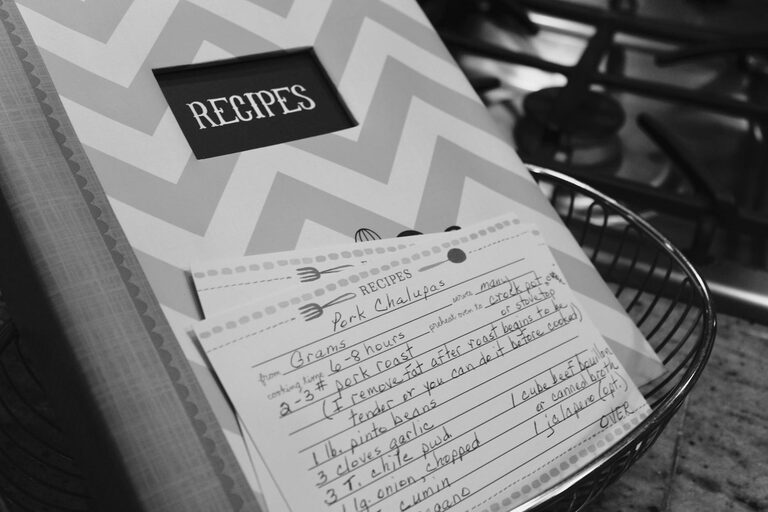
Planning your meals for the week can transform the way you cook, eat, and manage your time. Instead of scrambling each day to decide what’s for dinner, having a clear meal plan makes grocery shopping easier, reduces food waste, and can support healthier eating habits. If you’re new to meal planning or want a streamlined method, this guide will help you create a simple weekly meal plan that fits your lifestyle.
Why Create a Weekly Meal Plan?
Before diving into the how, it helps to understand the benefits:
– Saves Time: Knowing what you’ll cook each day means fewer last-minute trips to the store or frantic searches for recipes.
– Reduces Stress: Mealtime decisions can be stressful, especially after a busy day. Meal planning removes that daily guesswork.
– Promotes Healthier Eating: Planning helps you balance your meals with nutritious ingredients.
– Cuts Food Waste: You buy only what you need, using up ingredients before they spoil.
– Saves Money: Focused shopping avoids impulse buys and takes advantage of sales.
Step 1: Assess Your Week
Start by considering your schedule and eating habits.
– Review Your Calendar: Are there nights when you’ll be out late or days when you’ll need quick meals?
– Note Dietary Preferences: Consider food allergies, family favorites, or specific nutritional goals.
– Determine How Many Meals to Plan: Do you want to plan just dinners, or all meals including breakfast and lunch?
Step 2: Choose Your Recipes
Keeping things simple is key.
– Pick Recipes You Already Know: Start with meals you enjoy and have made before.
– Include Variety: Aim for different protein sources, vegetables, and grains throughout the week.
– Factor in Leftovers: Plan meals that produce leftovers that can be repurposed for lunch or dinner the next day.
– Use Theme Nights: Assign themes like “Meatless Monday” or “Taco Tuesday” to simplify choices.
Step 3: Make Your Shopping List
With recipes in hand, it’s time to write a focused grocery list.
– Check Your Pantry: See what ingredients you already have.
– Group Items by Category: Organize your list by produce, dairy, meats, pantry staples, etc.
– Stick to Your List: Avoid impulse purchases to stay on budget.
– Consider Batch Cooking Staples: Buy basics in bulk if you plan to use them often (e.g., rice, beans).
Step 4: Prep Ahead When Possible
Meal prep saves time and effort during busy weekdays.
– Wash and Chop Vegetables: Store them in containers for easy use.
– Cook Grains and Proteins: Prepare rice, pasta, or cooked chicken in advance.
– Assemble Simple Meals: Make salads or overnight oats for grab-and-go options.
– Store Properly: Use airtight containers and label meals or ingredients.
Step 5: Create Your Meal Plan Template
You can use a notebook, a printable template, or a meal planning app.
– Outline Each Day’s Meals: Breakfast, lunch, dinner, and snacks.
– Include Notes: Add reminders for cooking methods or ingredient substitutions.
– Stay Flexible: Life happens, so allow room for swaps or leftovers.
Sample Weekly Meal Plan Outline
| Day | Breakfast | Lunch | Dinner | Snack |
|———–|—————–|———————–|———————-|——————–|
| Monday | Greek yogurt with fruit | Turkey sandwich | Stir-fried veggies with rice | Nuts and apple slices |
| Tuesday | Oatmeal with nuts | Salad with grilled chicken | Spaghetti with meat sauce | Hummus and carrots |
| Wednesday | Smoothie bowl | Leftover spaghetti | Baked salmon and quinoa | Yogurt with honey |
| Thursday | Avocado toast | Soup and whole grain bread | Taco bowls | Mixed berries |
| Friday | Scrambled eggs | Chicken wrap | Homemade pizza | Popcorn |
| Saturday | Pancakes | Leftovers or salad | Grilled steak and veggies | Cheese and crackers |
| Sunday | Bagel with cream cheese | Soup or fresh sandwich | Roast chicken and potatoes | Fresh fruit |
Tips for Sticking to Your Plan
– Start Small: Plan just a few meals a week and build up.
– Prep with Family: Get everyone involved; it makes mealtime more fun.
– Keep Staples on Hand: Keep a few quick-cook ingredients available for emergencies.
– Review and Adjust Weekly: Note what worked and what didn’t, then tweak next week.
Final Thoughts
Creating a simple weekly meal plan doesn’t need to be overwhelming. With a little planning, you’ll enjoy less stress, fewer last-minute decisions, and more time to savor your meals. Start with easy recipes, prep in advance, and watch how meal planning transforms your week.
Happy cooking!