
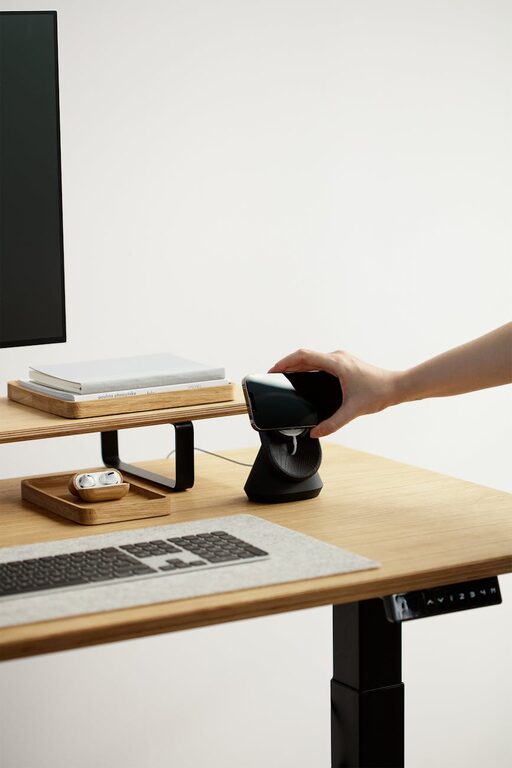
Creating a relaxing home workspace is essential in today’s world where many people work remotely or spend significant time at home. A workspace that feels calm and organized not only helps reduce stress but also improves focus and overall productivity. If your current setup feels chaotic, cramped, or uninspiring, don’t worry. With just a few thoughtful changes, you can transform your area into a peaceful and efficient work zone.
Why a Relaxing Workspace Matters
Your environment significantly influences your mood and efficiency. A cluttered or noisy workspace can lead to distractions and fatigue. Conversely, a relaxing and well-organized space helps clear the mind, keeps you motivated, and even boosts creativity. When your home office is comfortable and inviting, you’re more likely to enjoy your work and stay productive for longer periods.
Step 1: Choose the Right Spot
The first step is selecting an ideal location in your home. Consider these factors:
– Natural Light: Choose a spot near a window to benefit from natural daylight, which can enhance your mood and energy.
– Quiet Area: Select a place with minimal noise and foot traffic to reduce distractions.
– Space Availability: Pick a space that comfortably fits your desk and necessary equipment without feeling cramped.
If you have limited options, look for ways to separate your workspace visually or acoustically, like using a room divider or noise-canceling headphones.
Step 2: Invest in Ergonomic Furniture
Comfort is key to staying relaxed while working. Ergonomic furniture supports good posture and reduces physical strain. Here’s what to focus on:
– Chair: Choose a chair with adjustable height and back support to keep your spine aligned.
– Desk: Make sure your desk height allows your elbows to rest at about a 90-degree angle.
– Monitor and Keyboard Placement: Position your computer screen at eye level and keep the keyboard and mouse within easy reach.
Ergonomics help prevent discomfort and fatigue, making it easier to work for longer stretches peacefully.
Step 3: Declutter and Organize
An organized workspace promotes mental clarity. Clutter can overwhelm and distract, so keep your area tidy:
– Minimal Essentials: Only keep items that you truly need on your desk.
– Storage Solutions: Use shelves, drawers, or organizers to store supplies neatly.
– Cable Management: Use clips or ties to keep cords tidy and prevent tangling.
Dedicate a few minutes each day to tidying up. A clean workspace reduces stress and helps maintain a relaxing atmosphere.
Step 4: Personalize Your Space
Adding personal touches can make your workspace feel more inviting:
– Plants: Small indoor plants improve air quality and add a soothing green element.
– Artwork or Photos: Hang inspiring art or photos that lift your mood.
– Soft Textures: Include cushions or a cozy rug for extra comfort.
Personalization helps create a space that feels uniquely yours and encourages a positive mindset.
Step 5: Control Lighting and Noise
Proper lighting and sound levels are vital for relaxation and concentration:
– Lighting: Combine natural light with adjustable desk lamps to avoid eye strain.
– Noise: Use noise-canceling headphones, white noise machines, or soft background music to mask distractions.
Good lighting and sound control reduce fatigue and help maintain calm throughout your work sessions.
Step 6: Add Elements to Encourage Breaks
Taking regular breaks is important to avoid burnout and refresh your mind:
– Comfortable Break Area: Set up a nearby spot with a comfortable chair or cushions for quick rests.
– Timers: Use apps or timers to remind yourself to step away from your desk regularly.
– Hydration and Snacks: Keep water and healthy snacks accessible to stay energized.
Encouraging mindful breaks in your workspace helps maintain relaxation and long-term productivity.
Final Tips for a Relaxing Workspace
– Keep It Clean: Regularly dust and clean your space to maintain freshness.
– Air Quality: Open windows or use air purifiers to ensure good air circulation.
– Limit Digital Clutter: Organize your desktop and files on your computer as well to reduce mental clutter.
– Set Boundaries: Communicate your work hours to housemates or family to minimize interruptions.
—
Creating a relaxing home workspace doesn’t require a complete overhaul. Small, meaningful changes focused on comfort, organization, and personalization can make a big difference. Start with one or two steps, and gradually build a work environment where you feel calm, focused, and productive every day.