
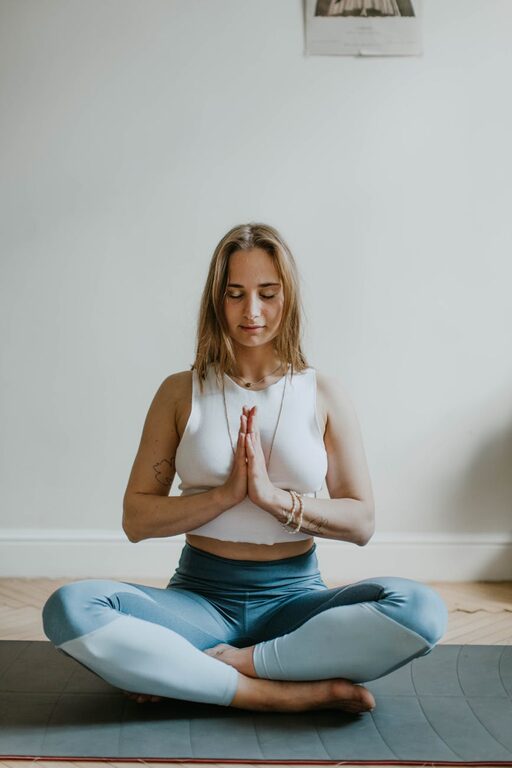
Taking mindful breathing breaks throughout your day can be a powerful way to reduce stress, regain focus, and improve overall well-being. Whether you’re at work, home, or on the go, dedicating just a few minutes to slow, intentional breathing can help you feel calmer and more centered. If you’re new to mindful breathing, this guide will walk you through beginner-friendly tips to get started and make these breaks a positive habit.
What Is Mindful Breathing?
Mindful breathing is the simple practice of paying close attention to your breath as it flows in and out. Unlike regular breathing, which we do automatically, mindful breathing is done with intention and awareness. It helps anchor your mind to the present moment, allowing you to pause from distractions, worries, or stress.
Benefits of mindful breathing include:
– Reduced stress and anxiety
– Improved focus and concentration
– Enhanced relaxation and calmness
– Greater emotional balance
How to Prepare for a Mindful Breathing Break
Before starting, find a quiet spot where you can sit or stand comfortably for a few minutes. It doesn’t have to be perfectly silent—any place where you can focus for a moment will do. You can practice mindful breathing anywhere: your desk, a park bench, or even in a car (while parked).
Try to turn off or silence distractions like phone notifications if possible. Set a timer if you want to keep your break to a specific length, such as 3-5 minutes.
Beginner Tips for Mindful Breathing Breaks
1. Start Small and Be Consistent
If you’re new to mindful breathing, begin with short sessions—just 1 to 3 minutes at first. It’s better to practice daily for a few minutes than to do a long session sporadically. Over time, you can gradually increase the length of your breaks as you feel more comfortable.
2. Find a Comfortable Position
Choose a position where your back is upright but relaxed. You can sit in a chair with feet flat on the floor, sit cross-legged on a cushion, or even stand. Keep your shoulders relaxed and hands resting gently in your lap or on your knees.
3. Focus on Your Natural Breath
Instead of trying to control your breathing, simply notice it as it happens. Pay attention to the feeling of air entering your nose, filling your lungs, and then leaving your body. Try to observe without judgment or effort.
4. Use a Quiet Mantra or Counting
If it helps you focus, silently repeat a simple word like “peace” or count your breaths. For example, breathe in counting “one,” breathe out counting “two,” and so on up to five, then start again. This can keep your mind from wandering.
5. Notice Your Body and Release Tension
As you breathe, scan your body for areas of tension or tightness. With each out-breath, imagine letting go of that tension. This adds a relaxing layer to your breathing and connects mind and body.
6. Let Go of Distractions
Your mind will naturally wander during mindful breathing, especially when you’re starting out. When this happens, gently guide your attention back to your breath without frustration or self-criticism. Mindfulness is about noticing distractions—then returning to the present moment.
7. End Your Practice Gently
When your timer goes off or you feel ready to end, don’t rush up. Take a few normal breaths, notice how you feel, and slowly open your eyes if closed. Take a moment before resuming your day to carry the calmness into your next activity.
Sample Mindful Breathing Break You Can Try
- Sit comfortably with your back straight and hands resting on your lap.
- Close your eyes or soften your gaze.
- Take a slow, deep breath in through your nose to a count of four.
- Pause briefly for a count of two.
- Exhale slowly through your mouth to a count of six.
- Repeat this cycle for 3-5 minutes, focusing on the sound and sensation of your breath.
- If your mind wanders, gently bring attention back to the breath.
Making Mindful Breathing a Habit
Consistency is key for mindful breathing to become an effective tool. Here are some ideas to help you build a regular routine:
– Set reminders on your phone or computer for breathing breaks.
– Link mindful breathing to daily habits, such as before meals or during a coffee break.
– Practice first thing in the morning or just before bed for a calming transition.
– Join a mindfulness or meditation group to stay motivated.
– Use apps or online videos with guided breathing exercises.
When to Use Mindful Breathing Breaks
Mindful breathing is a versatile practice you can use anytime you need a moment of calm or clarity, such as:
– During a busy workday when stress rises
– Before a challenging meeting or presentation
– While waiting in lines or commuting (if not driving)
– To ease frustration or irritability
– To signal your body to relax after exercise or before sleep
Final Thoughts
Mindful breathing breaks are a simple yet powerful tool anyone can learn. By starting with short, gentle sessions and focusing on your breath without judgment, you can develop a practice that supports your mental and emotional well-being. Remember: the goal is progress, not perfection. Enjoy the process of discovering more calm and clarity throughout your day.
Give it a try today—you might be surprised at how just a few mindful breaths can refresh your mind and body.