
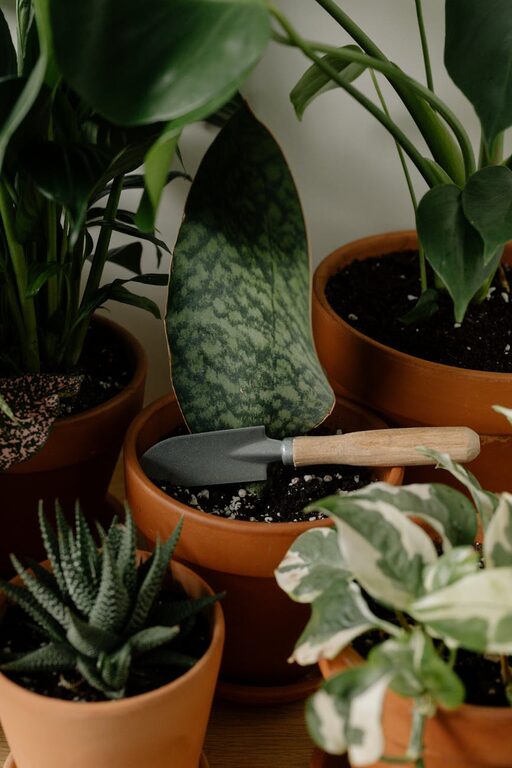
Bringing houseplants into your living space not only adds a touch of natural beauty but also improves air quality and creates a calming atmosphere. However, keeping your indoor plants healthy requires some attention and care. Whether you’re a seasoned plant parent or a beginner, these tips will help your houseplants thrive.
Understanding Your Houseplants’ Needs
Every plant is unique, and understanding the specific needs of your houseplants is the first step to ensuring their health.
Know Your Plant Type
Houseplants vary widely—from succulents and cacti to ferns and flowering varieties. Each type has different requirements when it comes to light, water, and soil. Research your particular plant species or ask your local nursery for care instructions.
Light Requirements
Light is crucial for photosynthesis, but too much or too little can harm your plants.
– Bright indirect light: Many houseplants prefer bright but indirect sunlight.
– Low light: Plants like snake plants and pothos tolerate low light conditions.
– Direct sunlight: Succulents and cacti often thrive in direct sun.
Place your plants accordingly and consider rotating them regularly so all sides receive light.
Watering Wisely
Overwatering and underwatering are common causes of plant stress and disease.
How to Water Correctly
– Check the soil: Before watering, touch the soil. If the top inch is dry, it’s usually time to water.
– Use room temperature water: Cold water can shock roots.
– Water deeply: Water until it drains from the bottom of the pot to ensure roots get moisture.
– Avoid waterlogging: Make sure pots have drainage holes to prevent root rot.
Tips for Different Plant Types
– Succulents and cacti need less frequent watering—often once every 1-2 weeks.
– Tropical plants may require watering once or twice a week depending on room humidity.
Providing Proper Humidity
Many houseplants, especially tropical ones, thrive in humid environments.
Ways to Increase Humidity
– Group plants together to create a microenvironment.
– Use a pebble tray with water under the plant pot.
– Use a humidifier in dry rooms.
– Mist plants occasionally with water, but avoid overdoing it as it can promote fungal growth.
Choosing the Right Soil and Pot
Good soil and the correct pot contribute to healthy root systems.
Soil Considerations
– Use well-draining soil appropriate for your plant species.
– Avoid garden soil, which can be too dense for indoor plants.
– Consider specialized mixes like cactus soil or African violet mix when needed.
Pot Selection
– Choose pots with drainage holes.
– Ensure the pot size matches the plant size; a too-large pot can retain too much moisture.
Fertilizing Your Plants
Plants need nutrients to grow, but too much fertilizer can do more harm than good.
Fertilizing Tips
– Use a balanced, water-soluble fertilizer according to the package instructions.
– Feed plants during their growing season (spring and summer).
– Reduce fertilizing in fall and winter when many plants rest.
Pest Prevention and Treatment
Indoor plants can attract pests such as spider mites, aphids, or mealybugs.
Identifying Common Pests
– Look for discolored or sticky leaves.
– Check undersides of leaves and soil surface regularly.
Natural Pest Control
– Wipe leaves with a damp cloth.
– Use insecticidal soap or neem oil for infestations.
– Quarantine new plants before introducing them to your collection.
Regular Maintenance and Observation
Consistent care helps catch problems early and keeps plants thriving.
Maintenance Steps
– Prune dead or yellowing leaves to encourage new growth.
– Repot plants every 1-2 years when they outgrow their containers.
– Dust leaves gently to improve photosynthesis.
Monitoring Plant Health
– Observe your plants regularly for signs of stress: wilting, discoloration, or stunted growth.
– Adjust care routines accordingly.
Tips for Specific Common Houseplants
Spider Plant
– Loves bright, indirect light.
– Water moderately; allow soil to dry out slightly between watering.
Peace Lily
– Thrives in low to medium light.
– Keep soil consistently moist but avoid waterlogging.
Snake Plant
– Adaptable to a wide range of light.
– Water sparingly, especially in winter.
Final Thoughts
Keeping houseplants healthy is rewarding and enjoyable. With mindful care, attention to their unique needs, and a few simple tips, your plants will flourish and bring a green touch of life to your home for years to come. Remember, patience is key—houseplants often grow slowly but steadily when cared for properly.
Happy planting!