
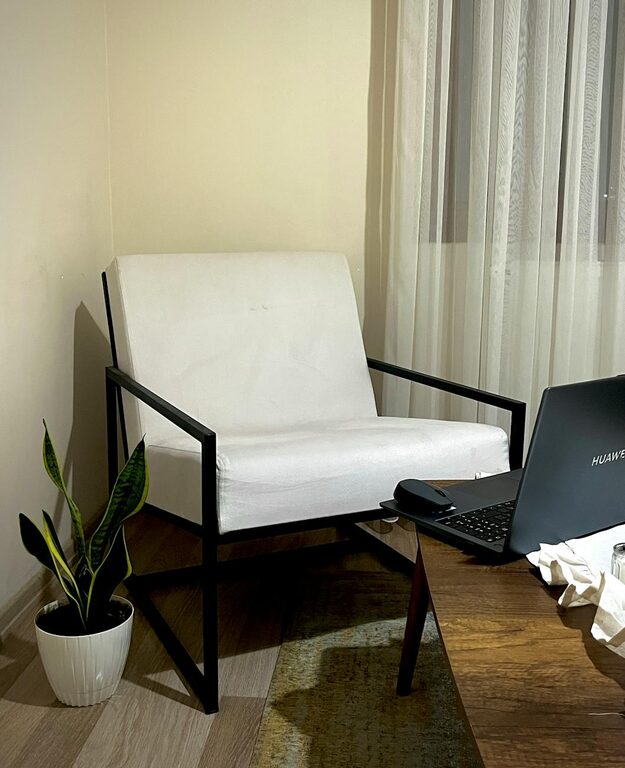
Creating a relaxing home workspace is essential for maintaining focus, reducing stress, and enjoying your work-from-home routine. With many people spending more time at home, having a well-designed area to work comfortably can positively impact both productivity and well-being.
In this post, we’ll explore practical steps to design a workspace that not only looks inviting but also helps you stay calm and focused throughout your day.
Why a Relaxing Workspace Matters
A cluttered or uncomfortable workspace can increase stress and distract you from your tasks. Conversely, a calm and organized area encourages concentration and can make work feel less like a chore. When your workspace feels peaceful, you’re more likely to enjoy your time spent working and achieve better results.
Choose the Right Location
Find a Quiet Spot
Pick a location in your home with minimal noise and distractions. This might be a spare room, a corner in your bedroom, or even a quiet nook in the living room. The key is to find a space where you can focus without interruptions.
Consider Natural Light
Natural light boosts mood and energy levels. Position your desk near a window if possible, allowing daylight to brighten your workspace. If natural light isn’t an option, invest in good quality artificial lighting with adjustable brightness to reduce eye strain.
Invest in Comfortable Furniture
Ergonomic Chair
A supportive chair is essential for comfort, especially if you spend long hours sitting. Choose an ergonomic chair that supports your back and encourages good posture.
Functional Desk
Select a desk that fits your space and work needs. It should have enough room for your computer, notebooks, and other essentials without feeling cramped.
Optional Standing Desk
If you prefer alternating between sitting and standing, consider a height-adjustable desk. This can help reduce stiffness and improve circulation throughout the day.
Keep It Organized
Declutter Regularly
Remove unnecessary items from your workspace. A tidy area promotes mental clarity and reduces distractions.
Use Storage Solutions
Employ shelves, drawers, and organizers to keep supplies neat and accessible. Label bins or containers to make it easier to find what you need quickly.
Cable Management
Keep cords and cables tidy using clips, sleeves, or cable boxes to prevent tangles and maintain a clean look.
Personalize Your Space
Add Plants
Plants not only brighten up your workspace but also improve air quality and have calming effects. Choose easy-to-care-for varieties like succulents, snake plants, or pothos.
Use Soothing Colors
Colors influence mood. Soft blues, greens, and neutrals can create a peaceful atmosphere. You can incorporate these colors through wall paint, decorations, or desk accessories.
Display Inspiring Items
Include artwork, photos, or motivational quotes that make you feel positive and motivated without cluttering your desk.
Incorporate Relaxation Elements
Essential Oils or Diffusers
Scents like lavender, chamomile, or eucalyptus can promote relaxation. Use a diffuser or essential oil spray, but keep fragrances subtle to avoid overwhelming the space.
Take Breaks With Comfort
Keep a cozy blanket or cushion nearby for mini relaxation breaks. Setting a timer to remind yourself to stretch or step away from your desk can help maintain balance.
Optimize Technology Setup
Use Headphones or Speakers
For background music or noise cancellation, good-quality headphones can enhance focus and create a calming sound environment.
Screen Position and Settings
Place your monitor at eye level to reduce neck strain. Adjust screen brightness and use blue light filters to protect your eyes.
Maintain Healthy Habits
Establish a Routine
Start and end your workday at consistent times to create boundaries between work and personal life.
Move Regularly
Incorporate short stretches or walks into your day to reduce physical tension and refresh your mind.
Stay Hydrated and Nourished
Keep a water bottle and healthy snacks within reach to maintain energy and avoid disruptions.
Final Thoughts
Creating a relaxing home workspace doesn’t require major investments—small thoughtful changes can make a significant difference. By choosing the right location, investing in comfort, keeping things organized, and adding personal touches, you’ll cultivate an environment that supports both productivity and well-being.
Take the time to design your space with care, and you might find that working from home becomes not just more efficient but also more enjoyable.